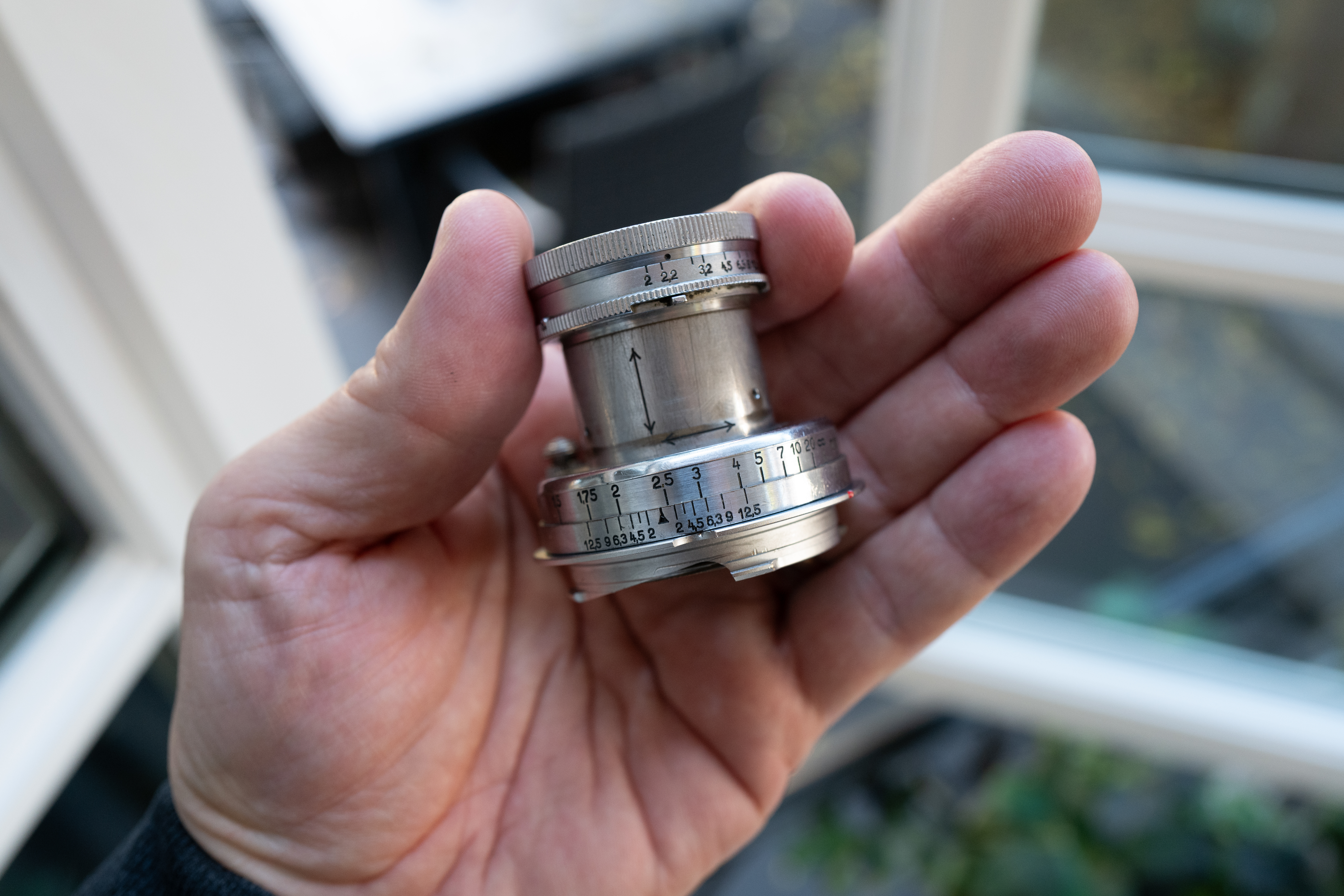
*late addition at the end – Leica Summar 5cm collapsible
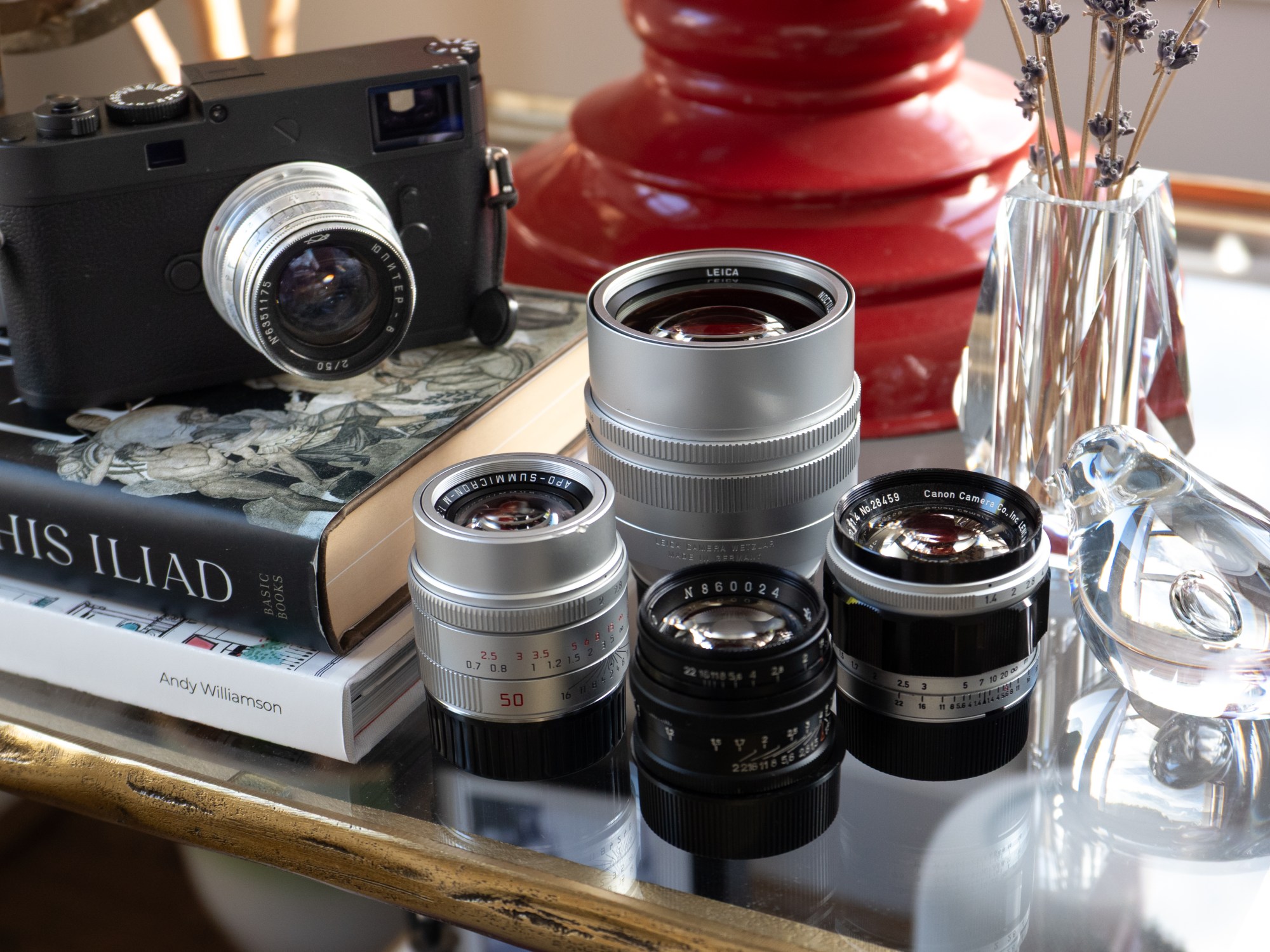
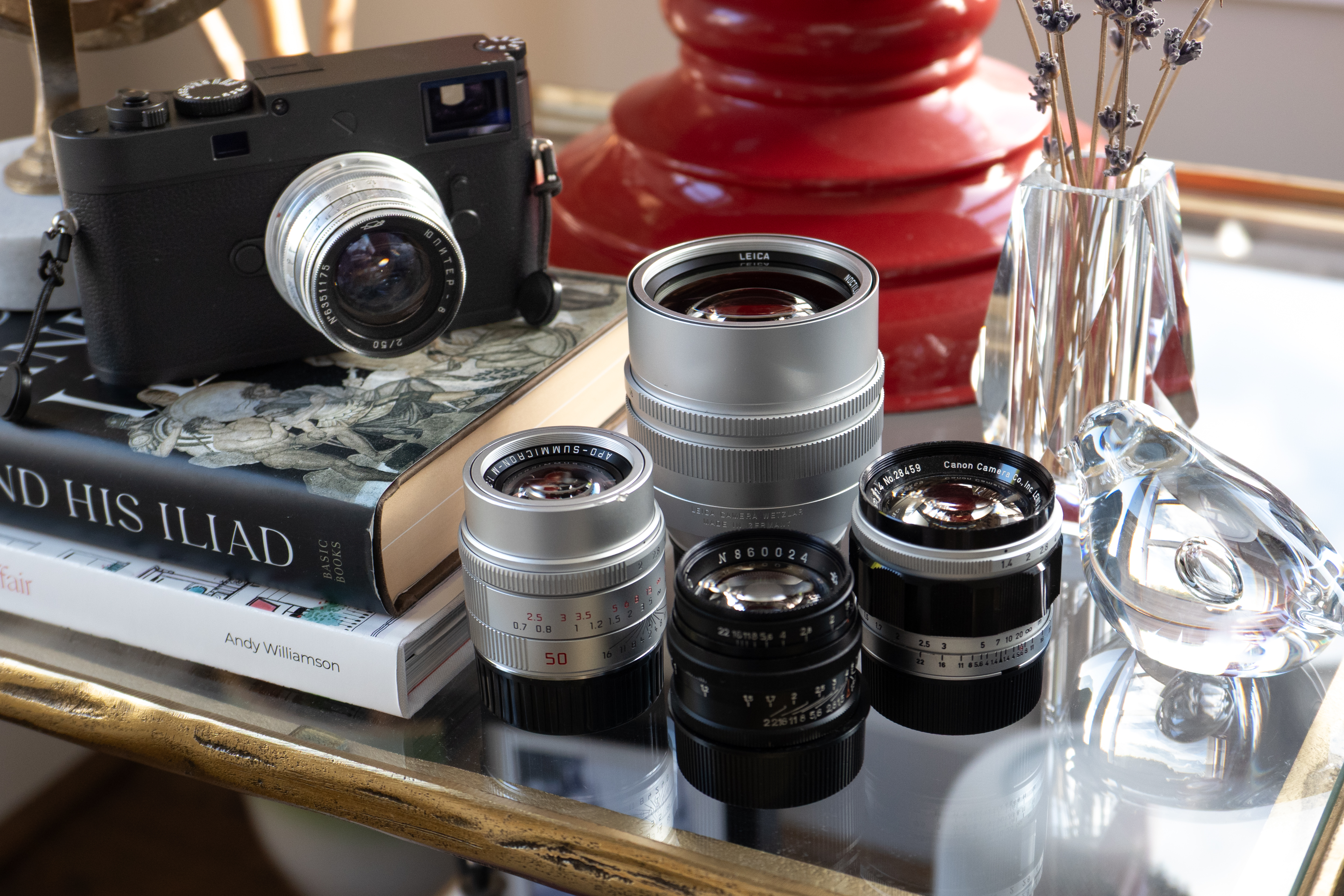
I’ve been a fan of the 50mm focal length for some time and acquired a few interesting pieces over the years. The five 50mm lenses range from f/0.95 to f/2 and in age, from the early 1950s to one that’s still in production. One is very clinical in its rendering, and a few are quite dreamy. One of them somehow straddles the line between both worlds.
This is far from a scientific test. It’s more like a guy in his living room taking photos on a partly cloudy day in Seattle with changing light conditions. Two of the lenses are native Leica M-mount (50mm f/0.95 Noctilux, 50mm f/2 APO Summicron), and three are M39/LTM, Leica Thread Mount, (Zorki f/1.5 Jupiter 3, Zorki f/2 Jupiter 8).
All of the shots were taken with the Leica Monochrom exposed to -2/3, with auto shutter and ISO. Since this isn’t a scientific test in a controlled environment, take from it what you will. The idea is to get the general feel and character of each lens. When I did this little experiment, I had been using the Monochrom often, and was curious how each performed on this body. At a later date, I’ll throw them on the M11-P. I would like to see how the coatings on each lens affect the image. That should be interesting too.
For now, here are a few photos of each lens and the setup used. The photos of each lens will be in the order in which they were shot. Each image is available as a full size image in the gallery at the end.
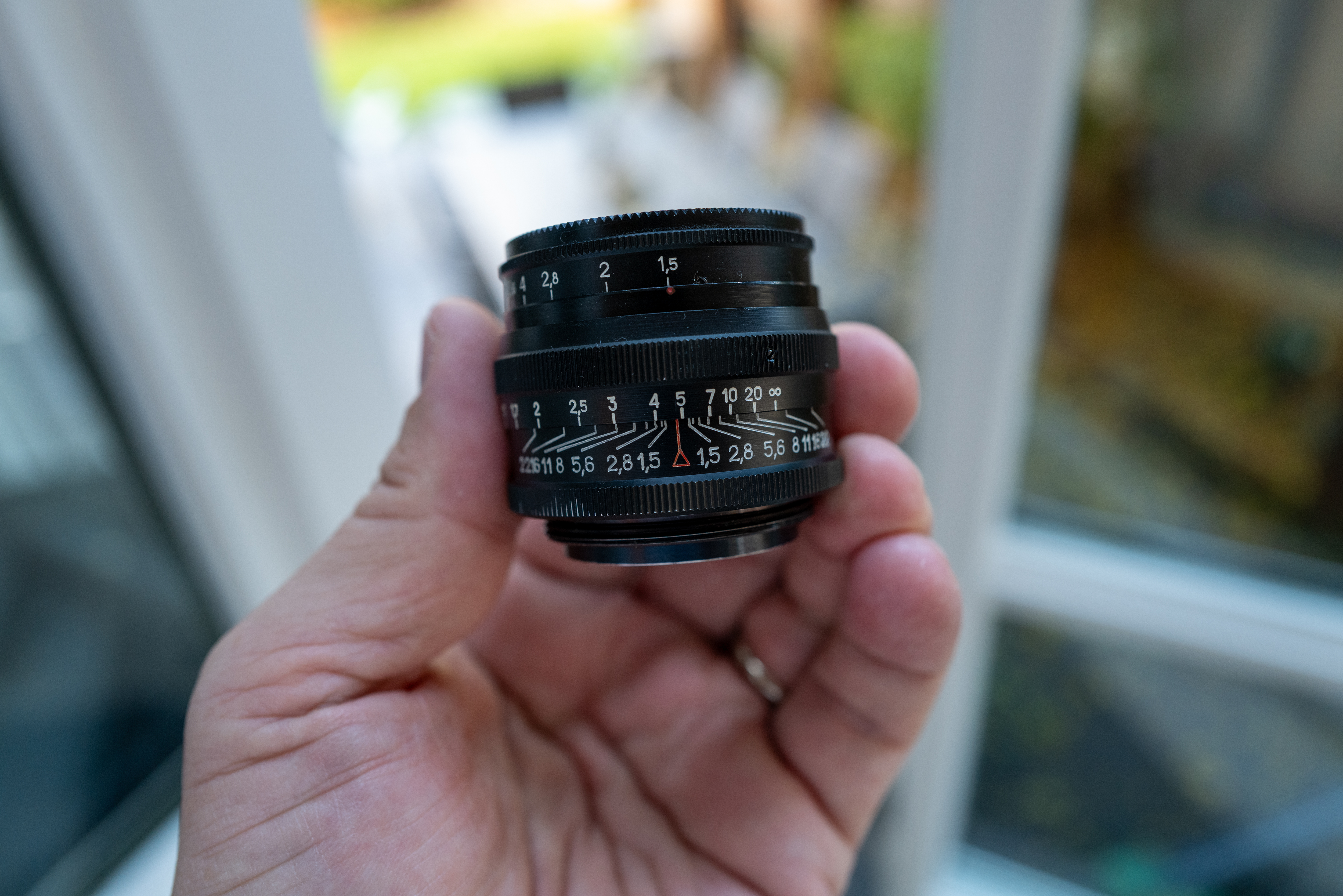
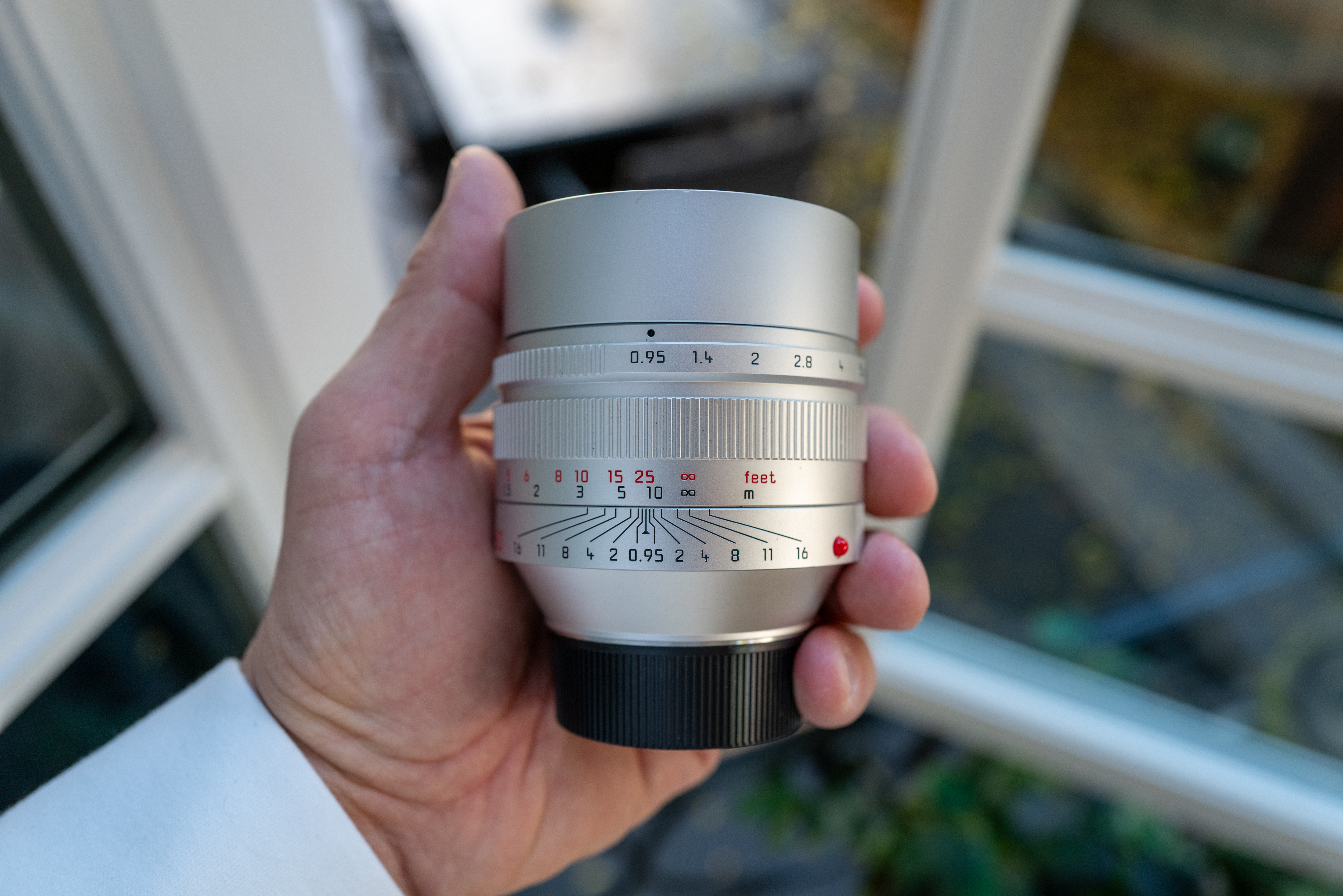
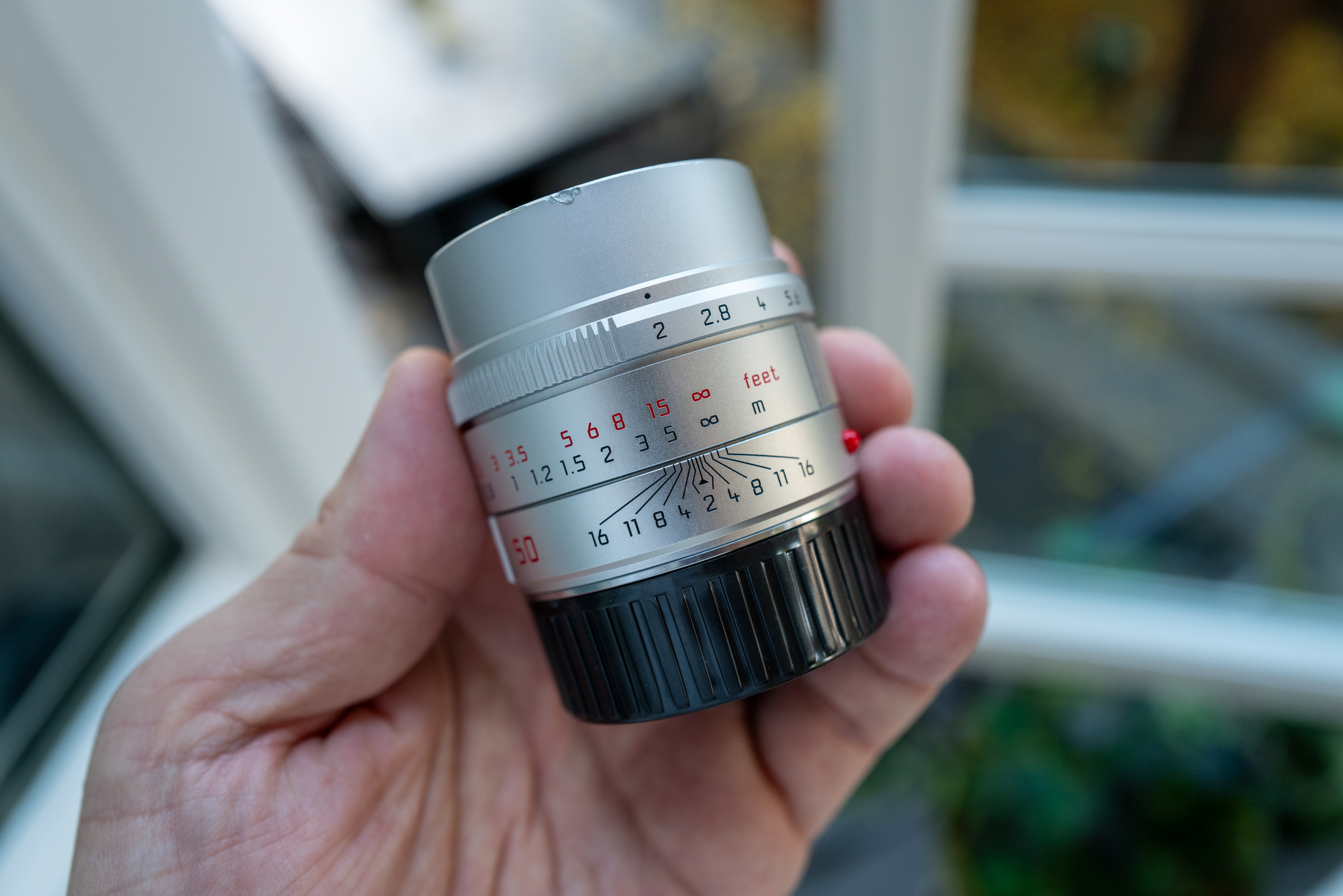
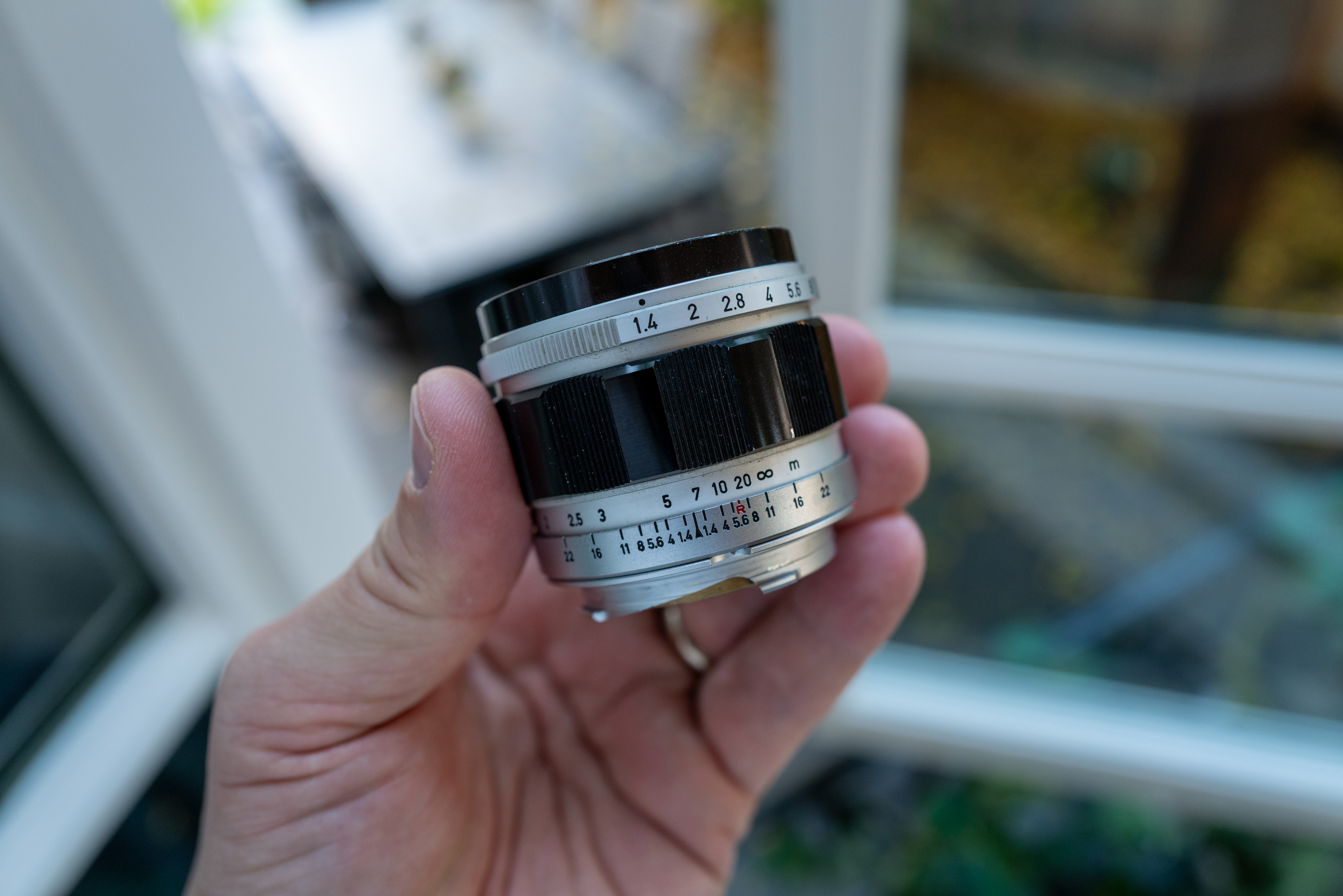
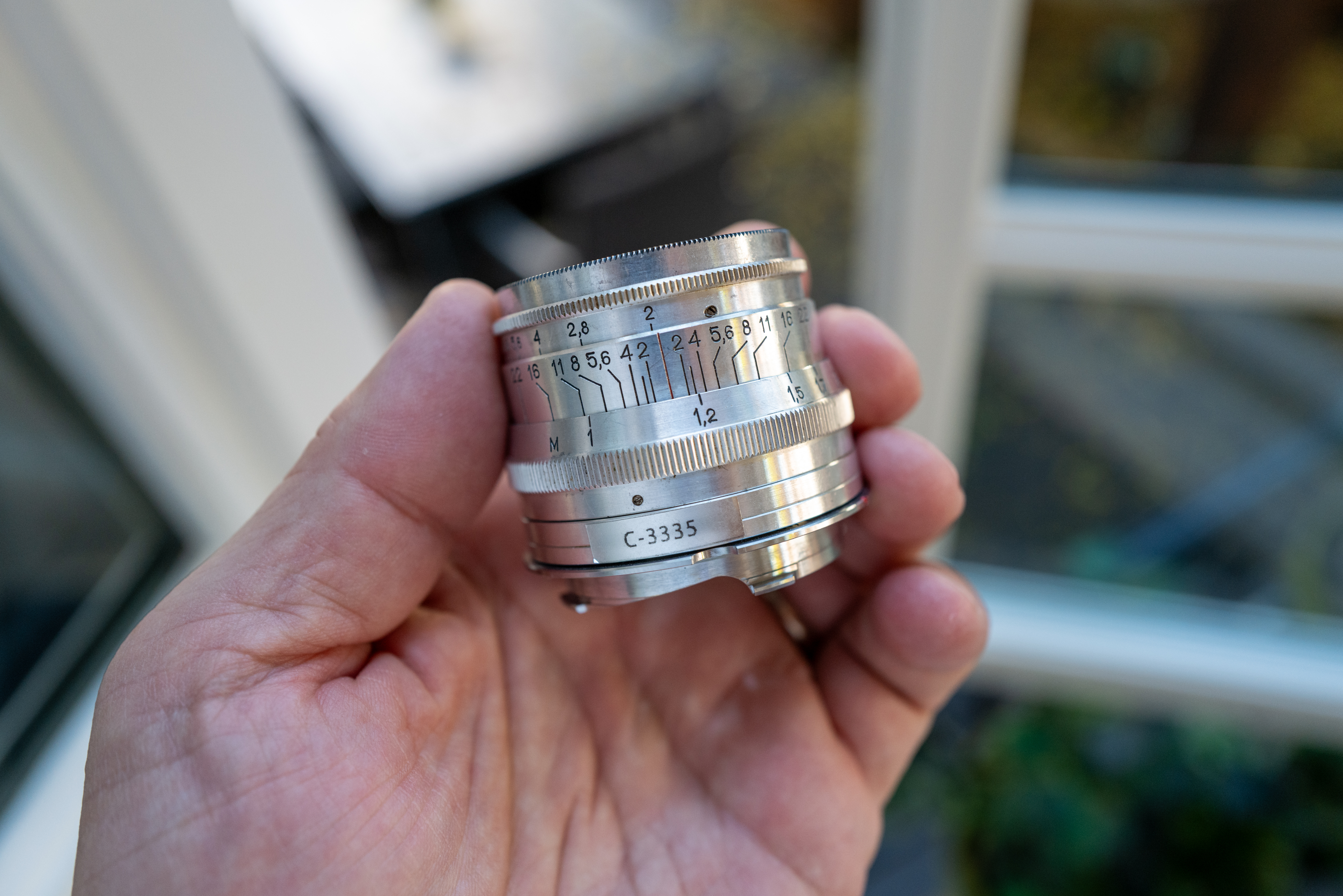
On to the images! These were taken mid-day with partly cloudy skies, so the lighting conditions changed throughout the few minutes I was shooting. I think some of the images will be easy to figure out, even without the accompanying captions. *Something of note – I typically shoot the Monochrom at -2/3 of a stop. This helps protect the highlights. I added that same amount back into each image to give you a little more detail.
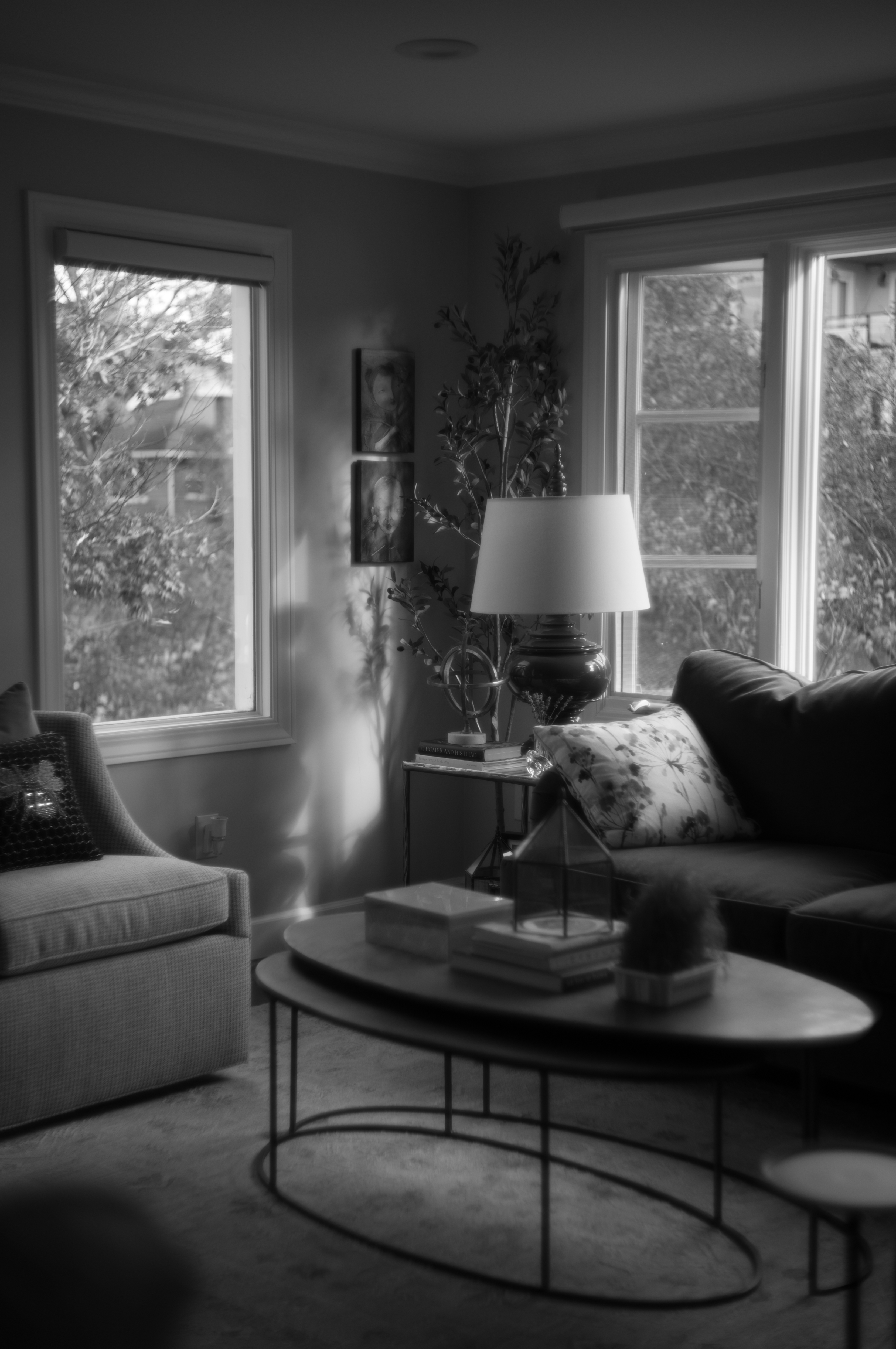
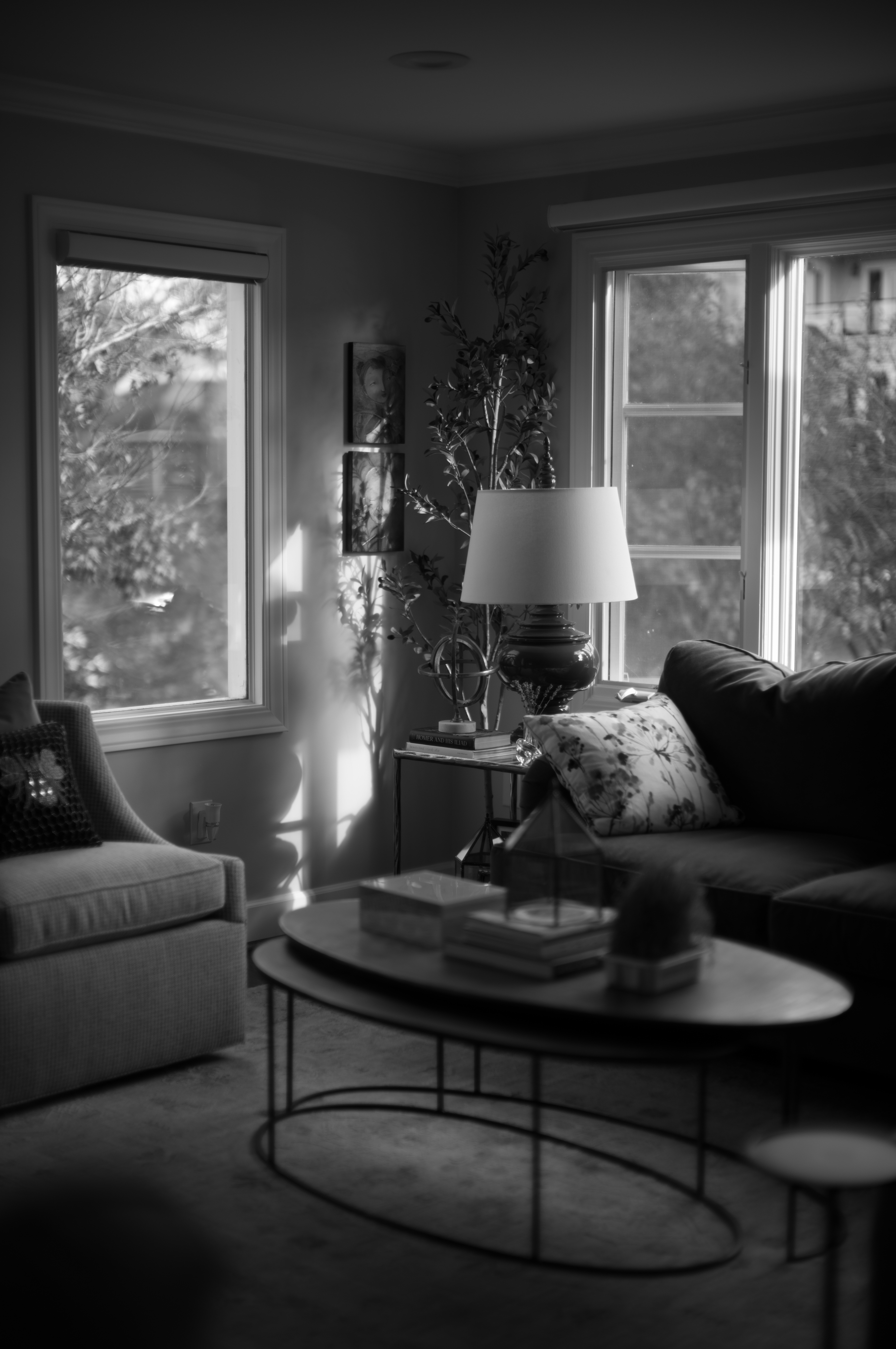
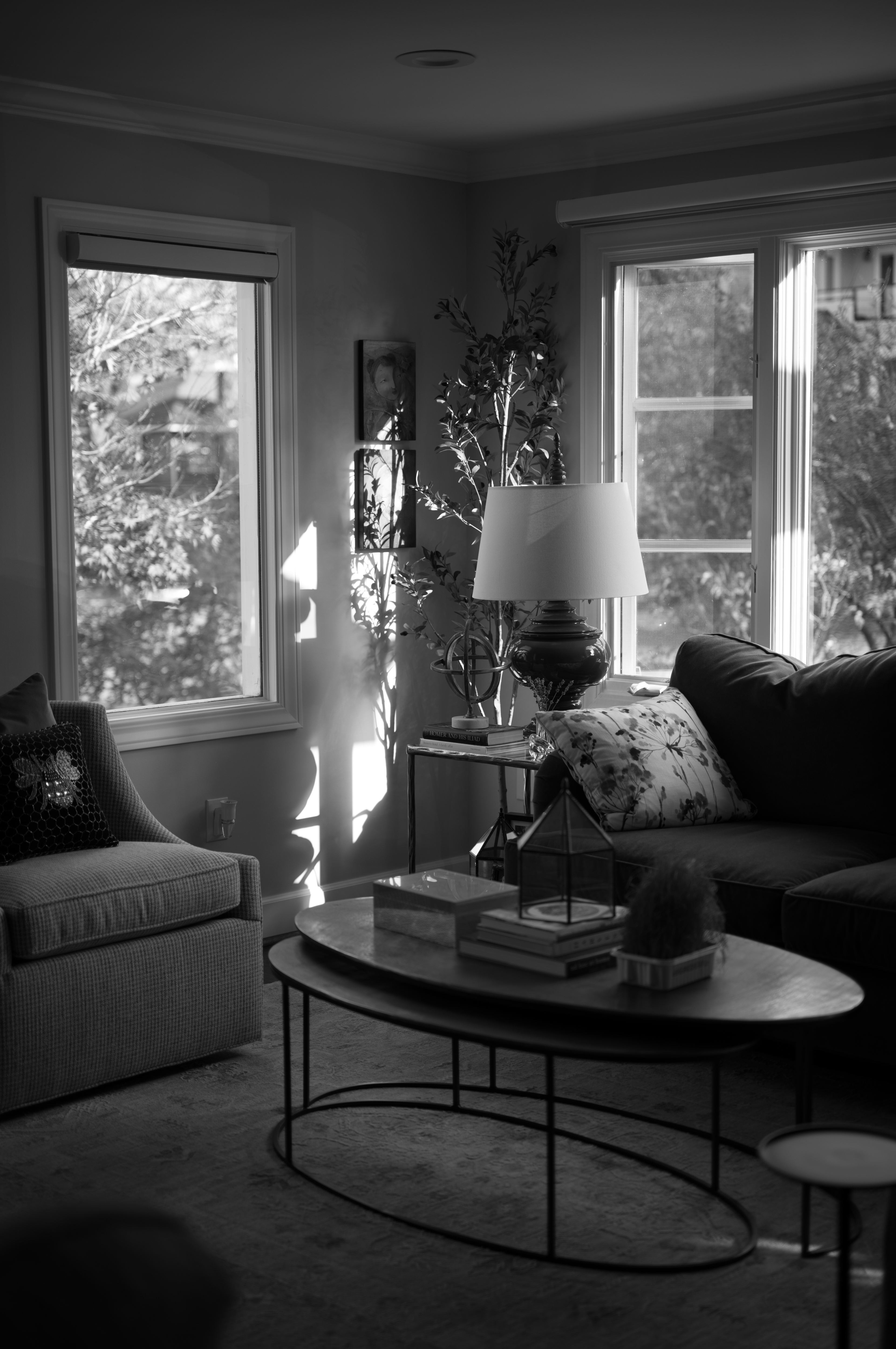
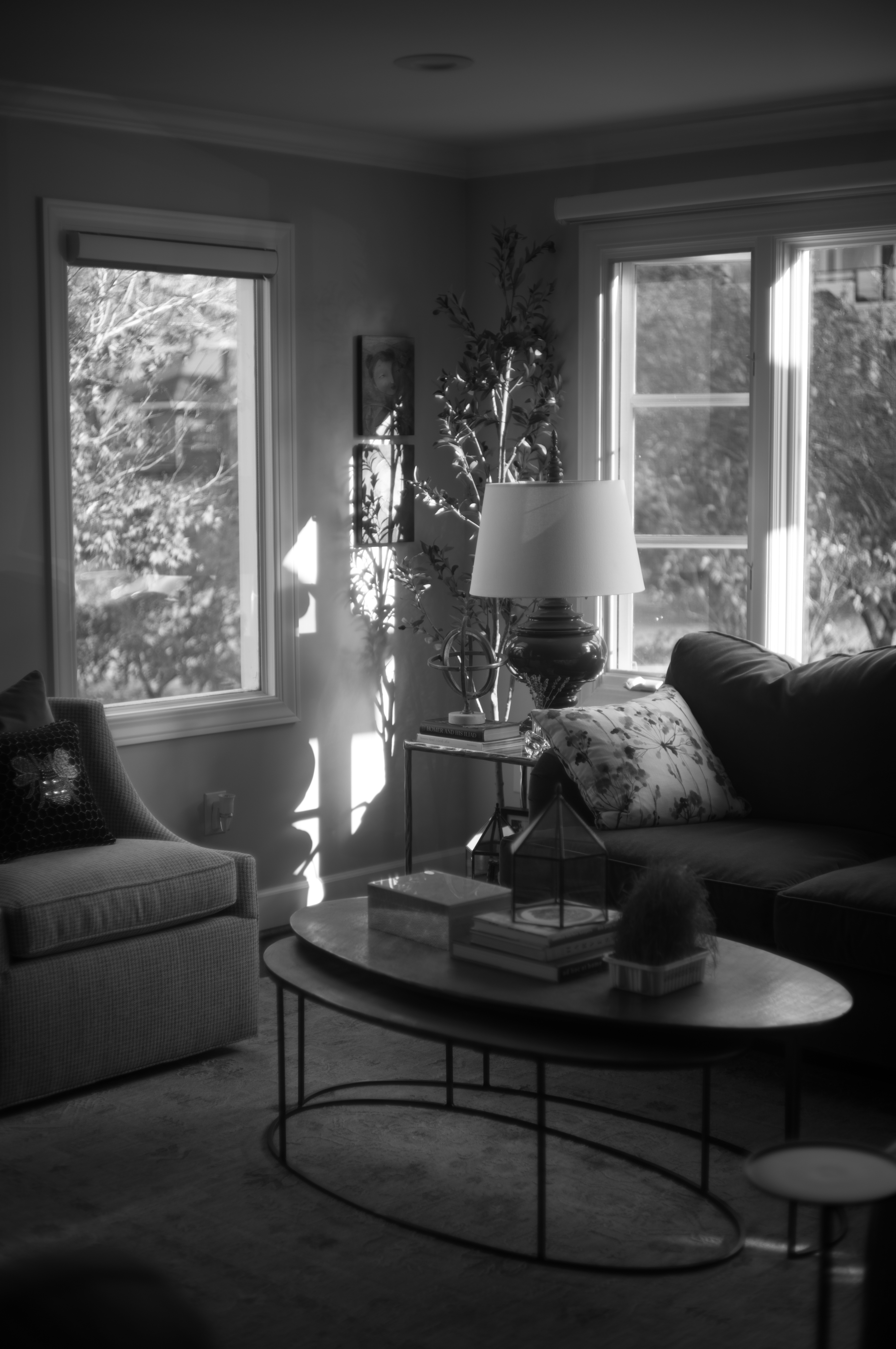
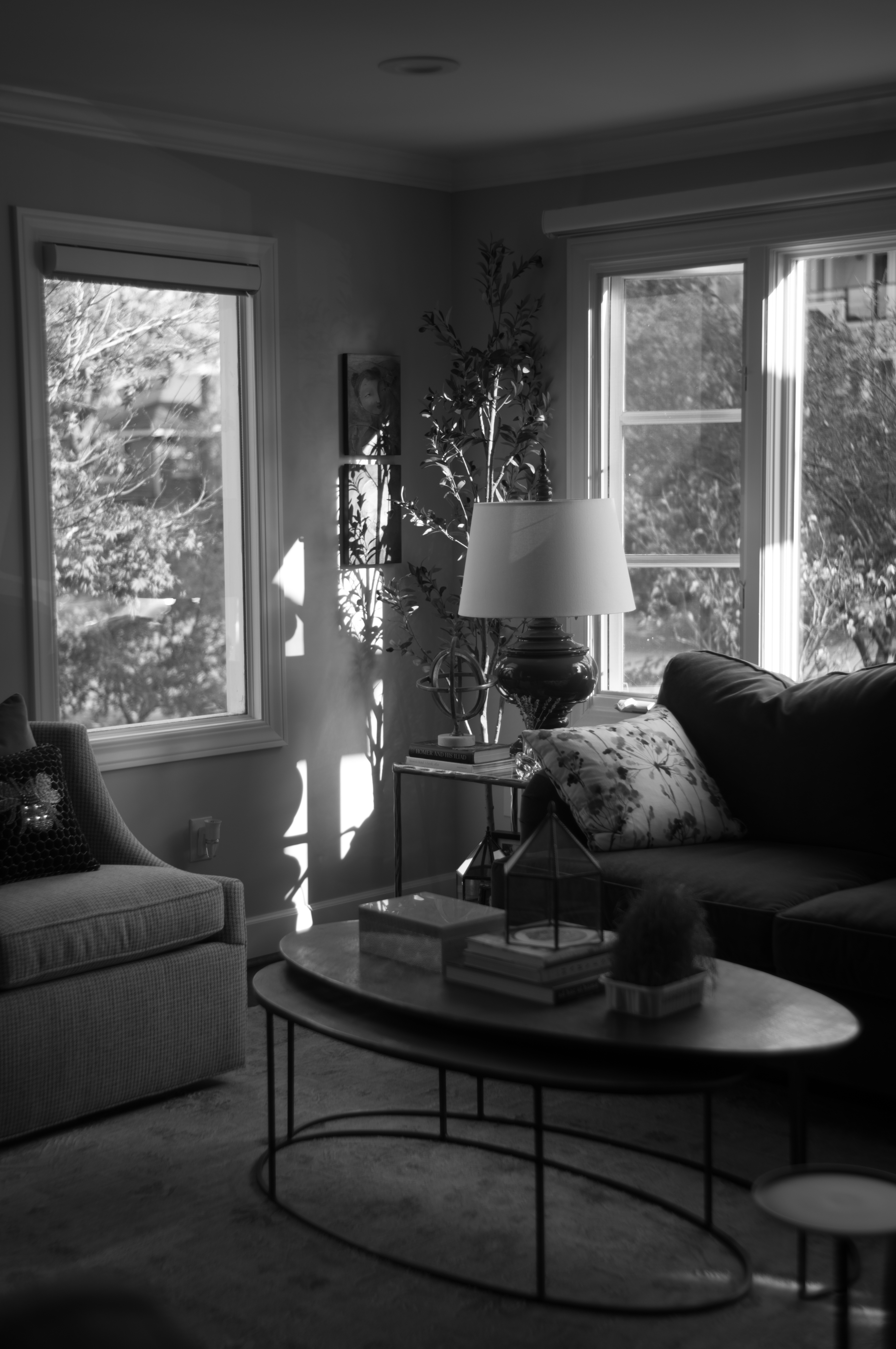
I’ve added a gallery of full-size images here.
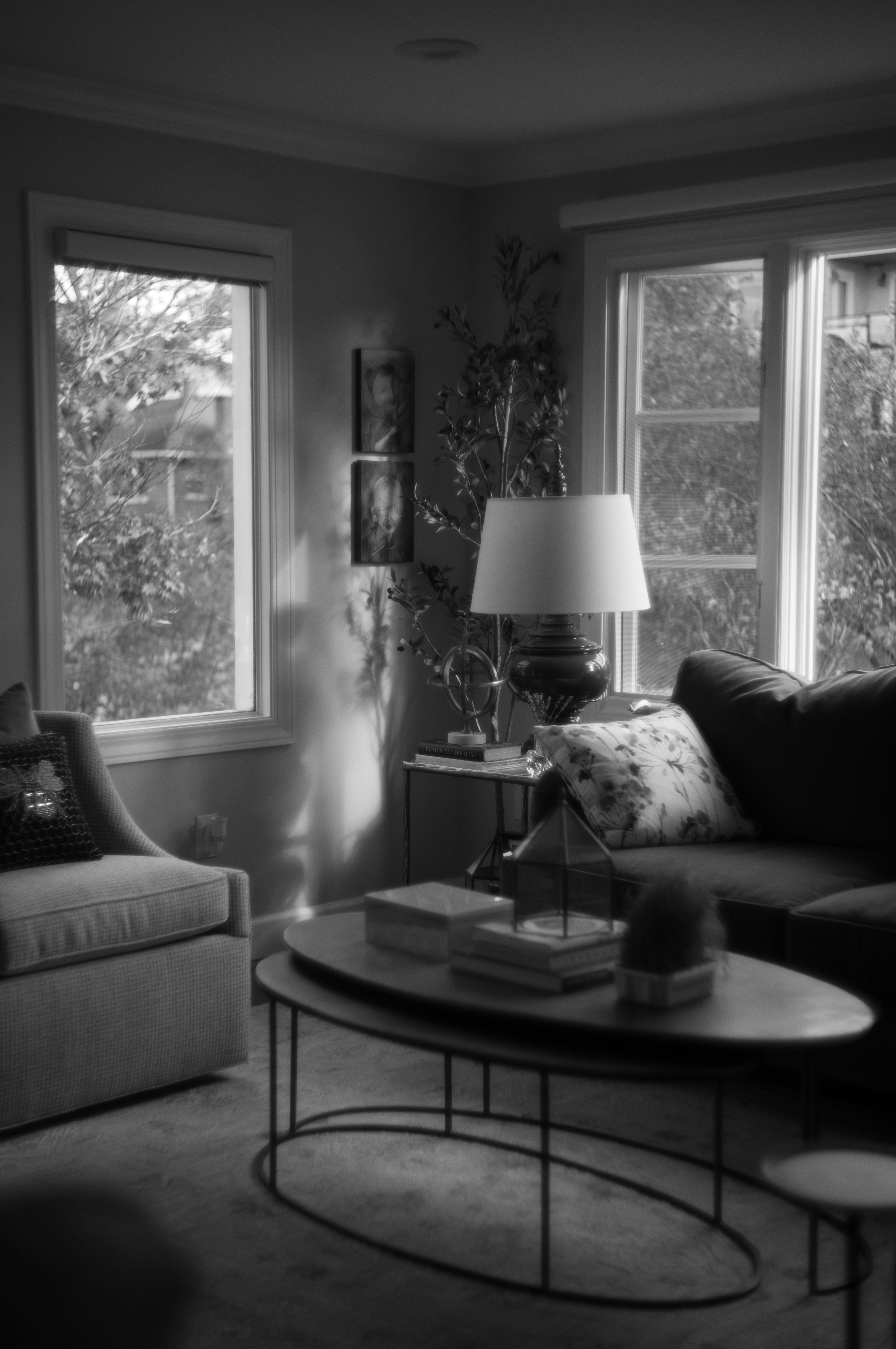
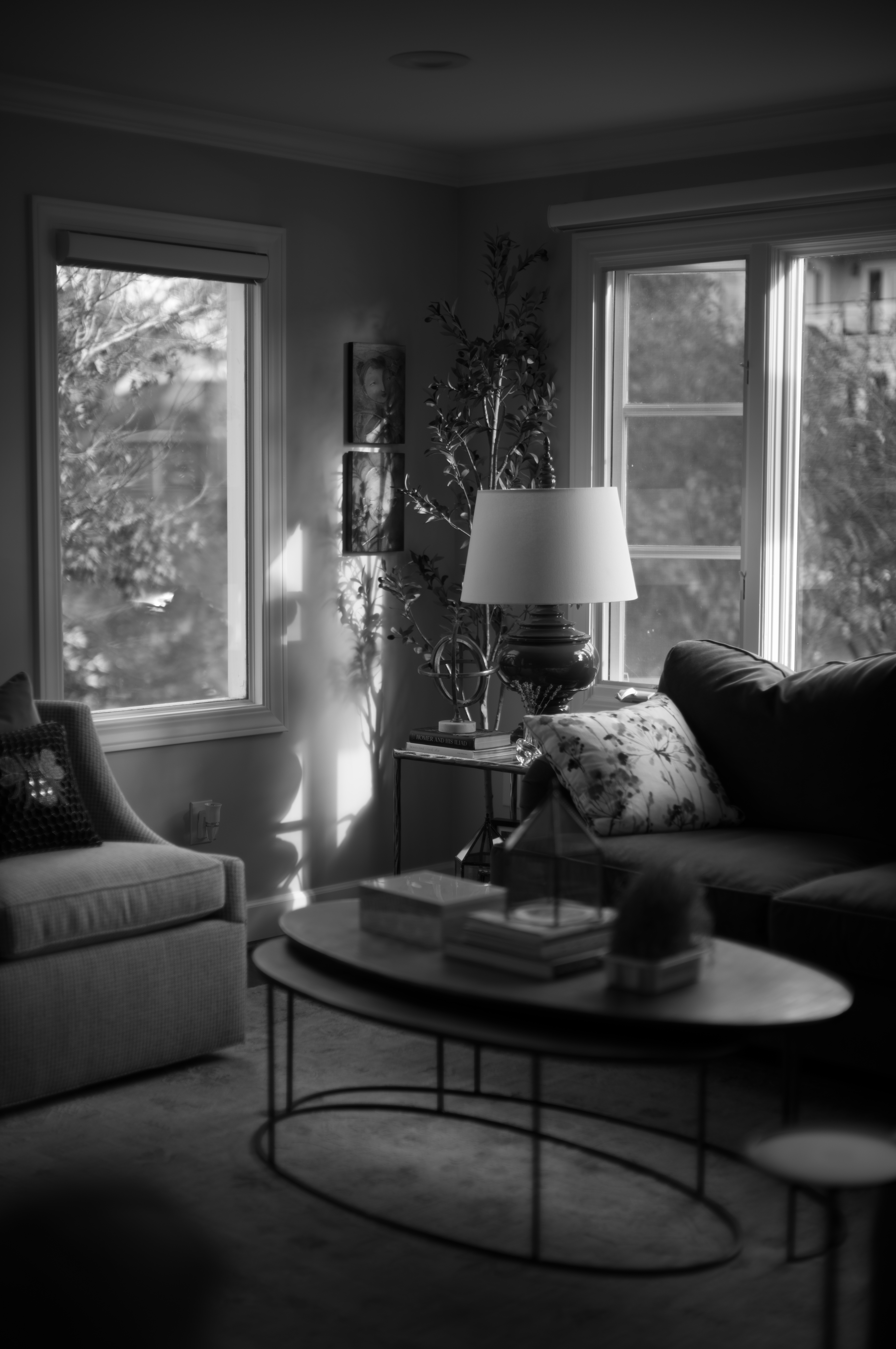
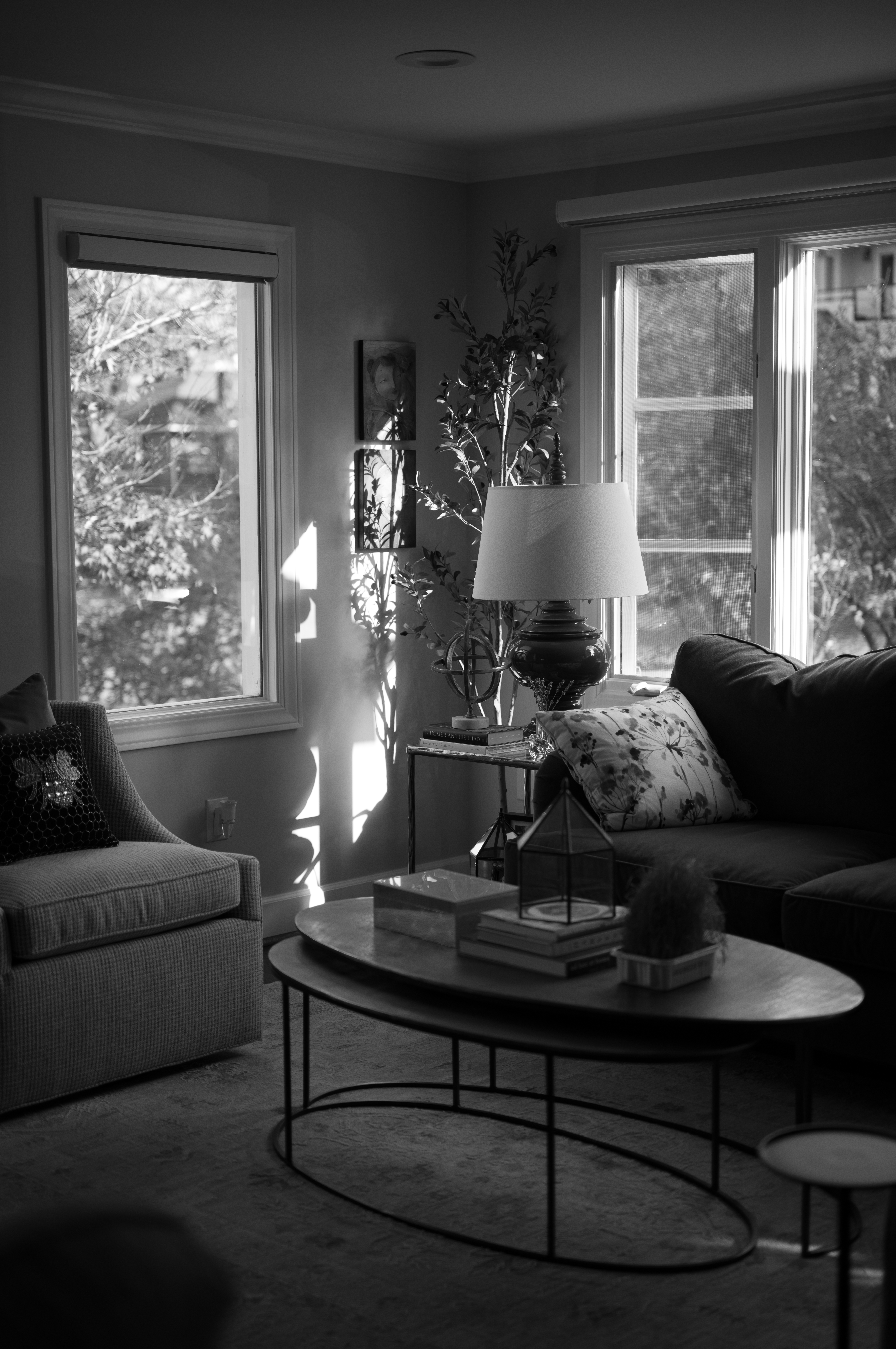
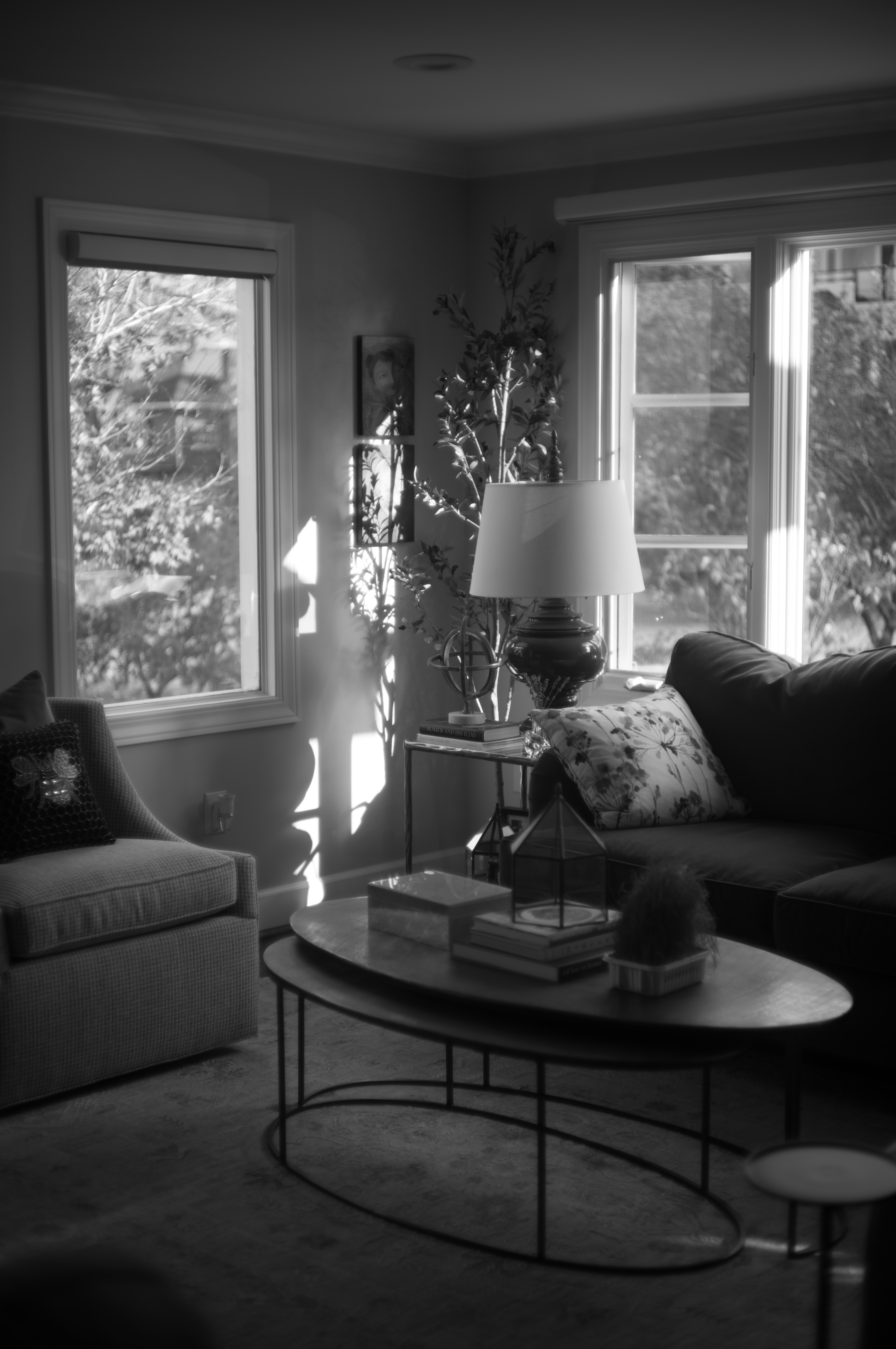
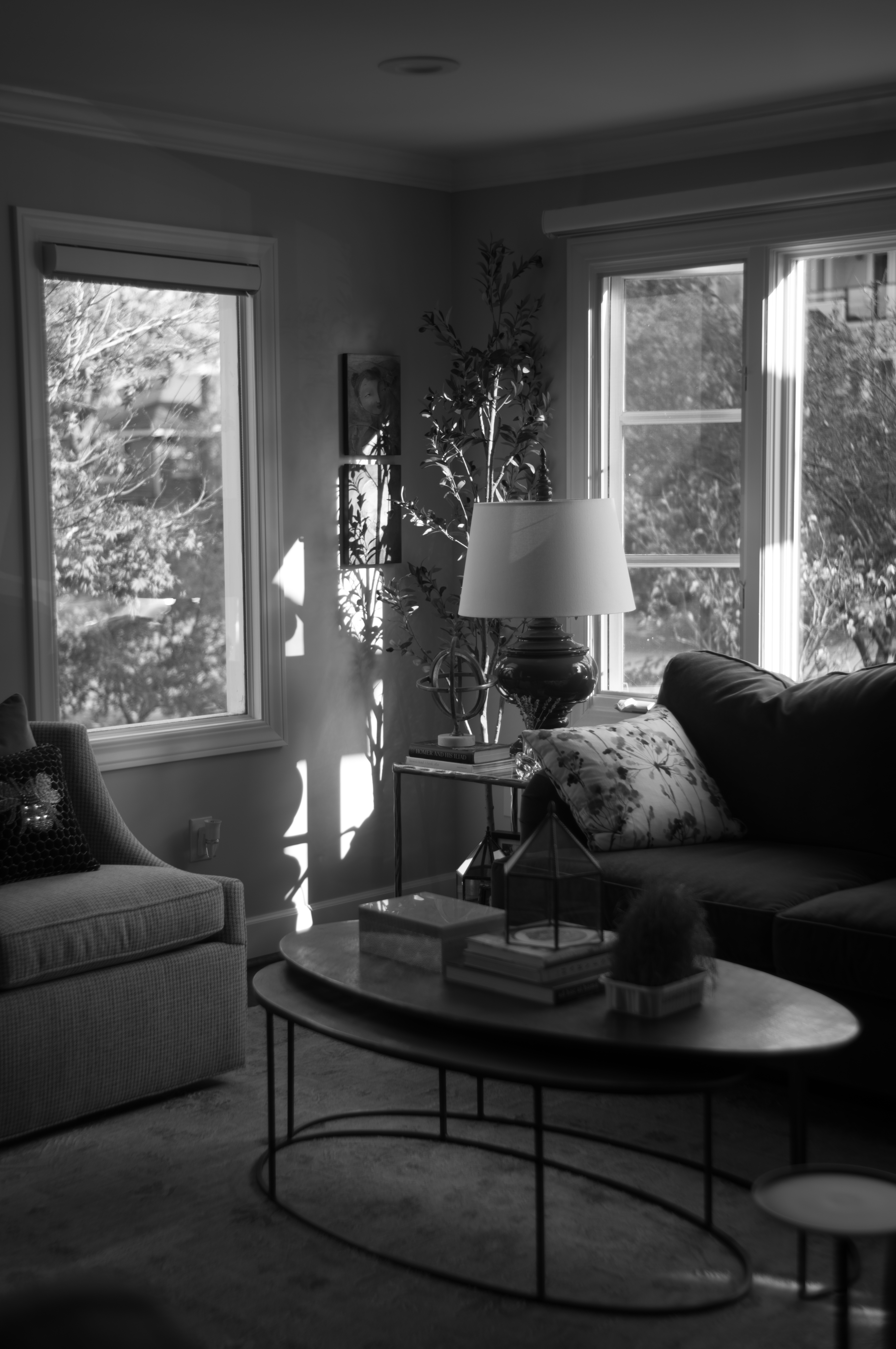
For some reason this, new to me, lens right from the 1930s was overlooked. Here’s a full size image of the roughly the same and same settings.
 SeattleSteve.com
love the dreamy Jupiter 8. The Jupiter 3 could live on my camera. The others are great as well but if I had to pick only two it would be them.
thanks for sharing this post.
LikeLiked by 1 person
The Jupiter lenses are just so good!
LikeLike